
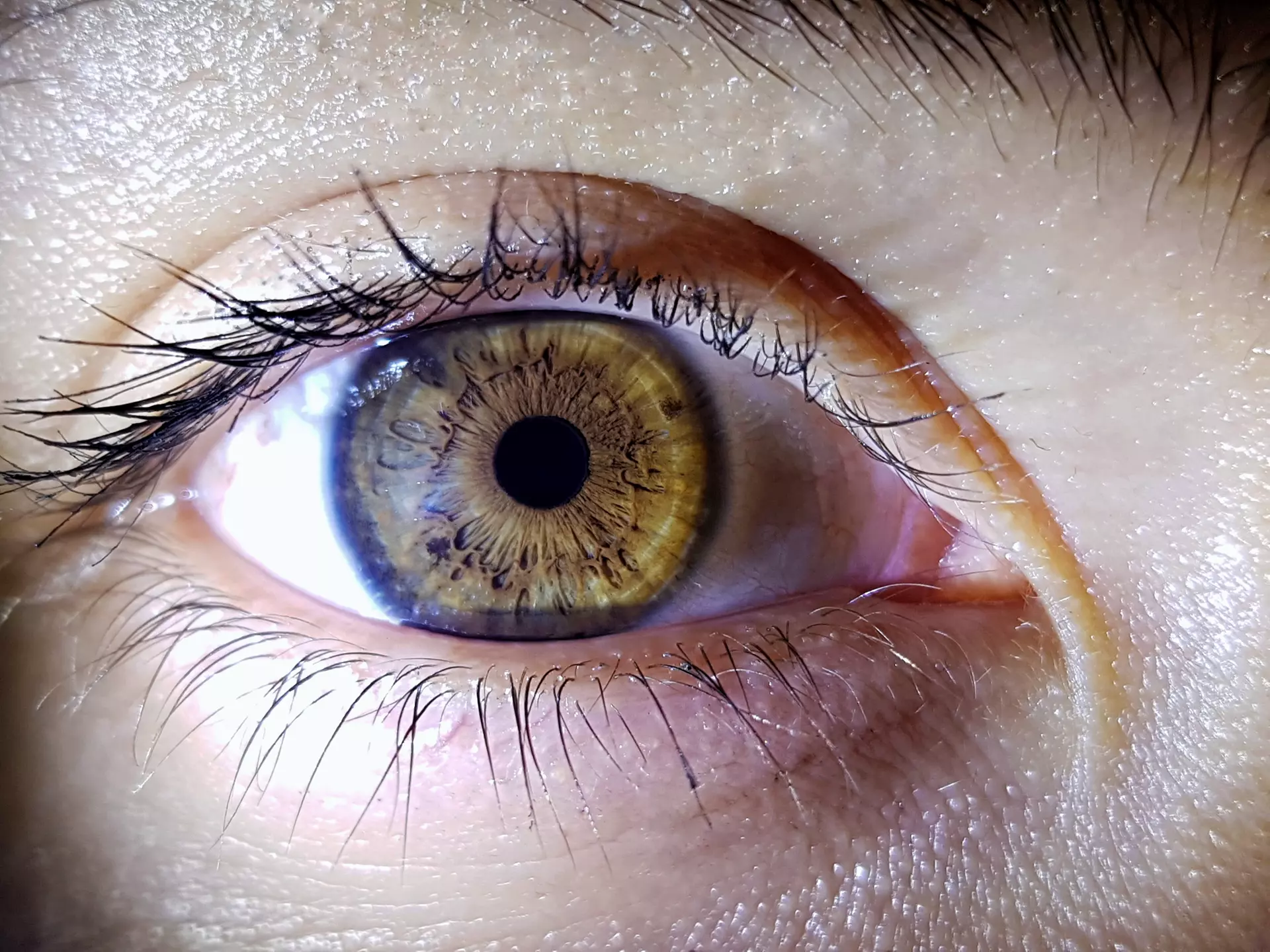
Discover the Power of Optomap Retinal Mapping at Taylor Family Eyecare
At Taylor Family Eyecare, located in Albuquerque, NM, we use Optomap retinal imaging to provide a detailed view of your eye’s health. This quick, painless scan captures over 80% of your retina in a single image, helping detect early signs of eye conditions before symptoms appear.
Why Choose Optomap Retinal Mapping at Taylor Family Eyecare?
Optomap retinal imaging is an advanced technology that enhances our eye exams by revealing a wide, high-resolution image of your retina without the need for dilation in most cases. This means less waiting time and more comfort for you. Our optometrists in Albuquerque, NM use these images to spot issues such as retinal tears, detachments, glaucoma, diabetic retinopathy, and macular degeneration early on.
This innovative screening tool complements the traditional eye exam, giving us a clearer picture to protect your vision. Ready for your Optomap retinal scan? You can request an appointment anytime or call us at (505) 899-8993.
FAQs
What is an Optomap retinal map?
An Optomap retinal map is a digital image of your retina, capturing a wide view of the back of your eye. It’s a fast, non-invasive way to detect eye diseases and monitor your eye health over time.
Is the Optomap scan painful or uncomfortable?
No, the scan is completely painless and quick. It requires you to simply look into the device for a few seconds while it takes a detailed picture of your retina.
Do I still need my pupils dilated for this test?
Often, dilation is not necessary because Optomap provides a wide and detailed view without it. However, in certain cases, dilation may be recommended for a more thorough examination.
How often should I get an Optomap retinal scan?
We generally recommend an Optomap scan at every annual eye exam to track changes in your retina and catch any early signs of eye problems.
Can Optomap detect all eye diseases?
While Optomap is excellent for detecting many retinal conditions early, it is part of a full eye exam and doesn’t replace other tests your optometrist may perform.